Monday, July 7, 2014

--( "paddle bags"/ infastructural enhancement dynamics)--


"paddle-bags"( a "personal pedal-powered net-metering system")--

  there is a company, that makes a neat bicycle, that is designed like the old three-speed cruisers of the 50's through the 70's, here in madison wi, they have nifty little racks for the bikes to "dock in", like a tiny shuttle, on an "away-mission"...so cool, they call them "humana", and i had an idea, that i shared with a few friends at bike-repair shops here in town, that i feel could be utilized with these bikes in the future( or, it may be already in use with these units, right now...i haven't a clue though)--

  anyway, i call the concept "the charge pod"...a simple "little messenger bag", that you clip to your rear rack of your bike, that plugs into a "front generator hub" on your ride( perhaps a rear one too??)...why??, well, if your special "messengers bag" had a battery in it, that was charged when you were riding, and then was later discharged, into the main grid of the city( via "net-metering", by plugging it into the wall at home), every person in the entire state you were living in, would be gaining something( and the whole country as well)...in india, and china especially, this concept would be widely respected...since, in china, they "all-work-together", to accomplish a large goal, very often...India, also is familiar with the concept of "mass-co-operation/non-co-operation"( Gandhi), so, they would gather the idea readily...that if, in china( an example), 10 million persons ride their bikes wherever they go, each day, that the 1000 watts( a random number), generated by each rider, with their "satchels", would amount to 1000 watts x 10,000,000 riders = 10,000,000,000 watts generated, per-day...from nowhere...via just doing the same thing they already do, with a simple way to collect the energy from the effort, of doing something common place, that's already happening...wow--

 can we do it?? well, yeah...but, we probably wont, since in america we are "super-individualistic", and cringe at the thought of being anything even slightly like a "lab-rat", running a little wheel around all day, for the good of others??...but, it's 10,000,000,000 watts of free power people...i wouldn't care, i could fry my eggs at breakfast with a little smile on my face, knowing full well, it cost not-a-damn-thing, how cool is that??

  i hope we can utilize this concept in the future, in america, someday...i feel it would change the globe, and in the near future, we will need more power, which must come from somewhere...this way is zero-emission, and the values of the power generated are staggering, if you look at the national gain, of "watts-per year"...


the numbers--

  1000 "watts per rider generated per-day" x 10,000,000 riders every day = "total watts per-day"

"total watts per-day" x 365 days = "total watts per year", % 1000 = "kilowatts"( 3,650,000,000)


summary--

   we are talking about roughly 3.6 trillion "kilowatts" of power, that china can generate per-year( if each rider produces 1000 watts)...hmm, perhaps we should try that...china, may simply have "docking stations"( the place that all the bikes are returned to, after each day of riding), that secure the bike, and deplete the battery on-board, that absorbs the watts generated while the bike is in use, into the city's main power grid, for the good of the whole county...

 in america, we can do this too, but, an "individual system" may be more popular, whether you plug your "personal net-metering device" into the wall at home, or at the coffee shop, while reading a book, the results are the same, the extra power is fed into the system, and this allows excess power to be sold by your cities power provider, to neighboring cities, that require more, during peak usage times...or, the city you live in that has high power demands, will incur no, or fewer, "brown-outs"...it's "win-win"...that said, most Americans would probably choose to plug into the outlet at home, to reduce their own personal electric bill...the results are the same for the country though, wherever you "net-meter" your "satchel"...

the way--

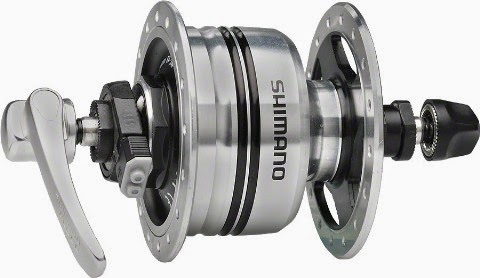
  "shimano" makes a nice front/rear electric generator hub, and i found a place hat makes a good battery storage system( picture)...it only needs to "net-meter"( an easy task), i have included a picture of a device i found online, that could almost do it--


best wishes, john kruschke  :o)


 p.s. : i feel that this b.s., is good b.s., for those in America, and abroad, to speculate about...or to develop, for the good of all mankind...


Wednesday, June 25, 2014

--reinventing the middle class( and why we should do it)--


something that's been troubling me for awhile...i posted it to my facebook the other day, here goes...

reinventing the middle class( why we need to)--

   the middle class...something that once thundered across the plains of ancient economical society...hunted to extinction, by educational barriers, and other financial strife, never to be seen again...even there bones have yet to emerge--

   well, in modern times, most feel this is a moment to blurt out a nice "so what", and move on...but, here is the bother, if there are only super rich( a very few, since there can always only be a small amount at the top of any structure...financial, or otherwise), and the main, "bulk" of society is working "entry level" jobs( 9.00 an hour or less), then, in my opinion, we have set the stage for another "great depression"...

   you might ask how??...well, if the bulk of society is living paycheck-to-paycheck( earning about 1,000-1,200 dollars a month, after taxes, and their average bills are about 800-1,000 a month, they have 200-400 dollars to work with for the betterment of themselves, their children, or to deal with any troubles that befall them)...

   this situation is exasperated if a person lives alone, since living as a single person, or parent, just is not viable, at this income level, so, those persons in this tax bracket, must co-habitate, with another low-income individual( spouse, or other), and, if income is lost, for as little as two weeks, the economic system the person has, collapses( and they are on the street, very soon after)--

   so, we can see, that the lower income earners of this country, have a very fragile financial situation, this issue, is what i feel is the means for the next "great depression" to occur, for our society to endure...where the main portion of society( the little "cogs"), are pushed to the street, from being out of work, for a short time-period, to live in their cars, and fight for scraps on the street...

   something as simple as a drop in the value of the dollar/inflation( resulting in a lower yield, from each dollar earned), or perhaps, a flood of "lower-wage earners", all looking for jobs in the same area( a high number of immigrants, or other "entry level wage-earners"), ten jobs, with ten thousand people looking for one, means 9,990 pairs of shoes, living on the streets...it's that easy, and, the "upper-crust" on the "big wheel" of high society, really does need "the little guys", to make it, since nothing turns without each part's contribution( on the bright side, many, many people, made good money in the last "depression", that had money, and therefore possessed "staying power", for their estates...simply put, those with money, bought high value goods form those "going under", and made a fortune, selling them, when things stabilized, and the market was buying again)--

   what to do??, well, i feel we need to examine the evolution of modern society, a little, to make a decision about corrective action...i believe our society has become based upon "exclusion", meaning, that if you have not graduated high school, and gone to college, you can not get certain jobs...this deferral is not only about not having the skill to do the work, it also stops huge amounts of persons from even applying, and this seems to be the trouble, this format has been adopted nation-wide, in every aspect of society...you can not get a loan for a home of your own if you do not meet certain criteria, ect, ect...so, we need to make it possible for a larger number of persons to clear "the hurdles of society", at least enough for them to obtain a job, above 9.00 an hour...period--

   the poor are not poor because they are ignorant, and they are needed, for society to function( something that i believe has been forgotten), and if a ginormous mass of them is on the street, like in the last "depression", the "haves" will be looted by the "have-nots", for survival...it's that simple, more later...out of time at the library--

--( the smartest person whom ever lived, might be a pauper, while the richest, is "dumb as a post"...something to think about)--

best wishes, john kruschke--
(7 photos)


  the piece above is from my facebook page, and here are a final few words about the issue...

  what happened?? and why??...well, i believe that the "middle class"( when there was one), moved up, to become "upper class"( since they had some extra abundance, and utilized it wisely), and, the lower income wage-earners( from the time when we had a "middle class"), did not raise themselves up, out of the lower income bracket, but instead, remained poor( as they had no extra income, to get there)...

  and there we have it, three tiers of society, struggling, those at the top, stayed there, those in the middle, moved up...and those at the bottom, remained...leaving nothing in the middle, to buffer a serious market fluctuation, setting the stage for a "super-depression"...an issue where the rich become "middle class", and the rest are living out of old cars, and in cardboard shanties, on the street( since there is no place to go)...high drama, yes, but it merely displays the need for the "middle class" to exist...to deal with this calamity, i believe we must find ways to get more people "over the hurdles of mankind", that are needed to obtain "middle class" earnings...we have to, no question, although we like to be tough here in modern society, we have to have a minimum number of individuals, who "make-good", and succeed...

  i leave the means to do so, to our legislators, they can crunch the numbers, and maintain a stable "economic playing field", where the entire team isn't "out", from one bad hit...we can do it, essentially, some of the poor need rise from strife, to a level of abundance, enough for them to "move-up", and leave a job opportunity behind, for a different "entry level wage earner"--

best wishes, john kruschke--


Wednesday, April 30, 2014

-- the temple of amenhotep III --


   this is the post where i believe i unraveled the mystery of how, and why, the Egyptians could grow "mega-crops", to support their huge society, and also the reason people would not leave the populated areas, to "go-it-alone"...

  here goes--


the temple of pharaoh amenhotep III --

   i noticed a magazine at the laundry mat today( "smithsonian" magazine), and it had a riddle that is related to something i have discovered, and am including in my upcoming book( "digital doodles and mind-farts"), regarding this system, that i believe the Egyptians were utilizing, way, way, back in history--

   the issue...what to do if you are in a climate that is hot, all the time, every day, of the entire year, and you need maximum yield, from the planting season, to stay alive...and have a viable community?? the answer is surprisingly simple...you must have a calendar, one that gives the best time to plant your seeds, and the best time to harvest what has sprung from the earth...reliably, year after year...and you need a way to know what angle to plant the crops, to get the most direct sunlight, for the entire day, for their improved growth cycle/yield...

    i suggest that this structure, and all those like it, are for this purpose...to plant seeds, that grow well, and are not over-ripe, when picked...it's that simple--

   so, how does it work??, if we look at the diagram below, from the "smithsonian" magazine that i derived the concept from( the image is excellent, as it shows the aerial view...the main thing needed to solve the puzzle)...if we examine the photo closely, we can see, that the entire structure is an elaborate "light-box", the opening with the two arches, serves two purposes( in my opinion)...first, it focuses light, to the next door-way...where the "aperture" narrows, focusing the light again, into the enclosed tunnel( the first opening may also have been to "sight" the location of the "aperture", for the enclosed structure, when initially building the temple)...the point of the covering, is what i believe to be the heart of the system...due to the light from the "aperture"( or opening, that leads to the "sun-court"), making a line of light, across the center of the opening, at the right time of day...this is the main part of the system, a way to know, for certain, that you are making observations of light and shadow, at the same time...every, single day, for the whole year--

   the next portion of the system is regarding the sun court...if we look at the diagram, we can see, that the top of the "sun-court" filled with columns, is a square, with a square inside it, with "pin-holes" for light to shine into...and this is the part of the system that tells you when to do what...different columns would be lighted, depending on what position the earth was in orbit with the sun, at the same time of day, each year...it's magnificent in it's simplicity, yet unbelievably accurate...more information is also gained from the two sitting figures, on either side of the entrance, i suggest that a staff was utilized to line up the silhouette of the two figures, and the opening between them, to gain "square" to the opening, and the walls of the temple, for gaining the best angle to plant the crops that fed the region, to the sun( to obtain maximum yield in growth)...

   as for the statues of "sekhmet", i feel that they were put in place to let those in the area easily know, when the time to check the light within the tunnel, and the columns lighted within the "sun-court", was about to arrive, from any angle of the temple, or even from the entryway...giving much time to get to the tunnel, and the "sun-court", to take readings...i have also noticed an opening similar to the main entrance on the side of the structure, and i feel that this is for the same purpose as the front entryway, to gain "square" for planting crops...if we examine other temples of the period in the area, i feel that we will discover the same similarities in construction...a stairway, or other opening, that leads to a covered area, that goes to a court-yard, with columns inside( a "sun-court")...for use as a calendar, for crop production, or other civilized/cultural purposes... 


  summary--


    with this information, scientists can discover any secrets contained on the columns( i am excited to see what they may be), i am expecting them to be regarding planting, such as, when to plant what, and when to harvest the bounty...this is due to my estimation that the temples were in fact "super-growing stations", that honoured those that built them, so that the masses would be fed, for all time--

   best wishes, john kruschke--


--the ankh--


    this is an earlier post about the Egyptian "surveying system"--

  here goes...


the ankh( the "key to life")--

   this is the staff i suggest was used to "sight square", from the two statues on either side of the opening, for the temple mentioned below...by lining the "loop" up, with the light from the opening, and the "cross" of the staff, with the laps of the sitting figures, of the two statues( i feel that there were also two statues at the other entrance of the temple, but they were stolen), i additionally suggest/believe, that the "head-dress" on the person/surveyor, in the photo below, is to help ensure that the "surveyor's" shoulders are "square", to the statues, or "level"...this may also be the thing that the Egyptian pharaoh's  "head-dress" was depicting...showing that he was a "master surveyor", whom the system was derived from, entirely...although he had special slaves to do the busy-work of "surveying", he was the living example, of the highest level of the system--

   so, i will speculate on the origins of the entire system, right now...long before Egypt was a serious civilization, there were likely persons living individually, and scratching the dirt for little bits of food...and, at some point, someone discovered growing crops, but, little would grow, if anything...until another person discovered, that planting crops at a certain angle, to the sun, gave the best growth of the crops planted, and they flourished, attracting many others to the area, due to the plentiful amount of food, to be traded for( with labor, ect, ect...), and the civilized world was born, in one spot...eventually, someone derived a system to find the best angle to the sun no matter where you were on the earth( the system i am speculating on)...one that utilized a staff( the "ankh"), and a "surveyor"( the "pharaoh")...i suggest that the holder of this knowledge, to grow food enough for all to survive, would make the individual the most powerful person alive, at the time...and so, the system proliferated, to many areas of the region, with many "super colonies", all of which would have a "solar calendar", with a "sun-court", to know when to sow crops, and when to harvest them( the "temples")...i also believe, that each "super colony" had three "pyramids"( or, three large "monoliths"), for making roads that were at the best angle to the sun, to stay dry, as well as making them not "randomly intersect"( due to surveyors "sighting" the proper angle to the sun, for the road, or structure being built, by lining the three pyramids up, with a staff, that acted like a "weather-vane", and gave the angle)--

   in short, banishment from civilization without the system, meant death...meaning, that the slaves and others, were a kind-of "captive-audience"...until one day, the "pharaoh's" special "slave-surveyors"( the Jewish people), decided to leave...with the system, into the dessert, and they survived...eventually proliferating the system to every corner of the globe, allowing civilization to be possible, in all those places...with good roads, well lighted rooms, square buildings, and decent crops...

   whether you are a religious person, or no, the question is more about when did this transpire, than about if it happened at all...the bible says, "the world was made is seven days", a lot may have happened really fast, or, if you are of the evolutionary opinion, it happened really, really slowly...whatever the speed, i feel it all happened in Egypt, and creation as we know it, sprung from there, to the rest of the world, with the attributes of all human beings, adapting to the climate, and region, that they ended up dwelling in-- the end, and we were all happy-- :o)


best wishes, john kruschke--


--civilization( and "mr beetle")--


    i had a crazy notion the other day that was derived from science, about ancient Egypt, and how they "got the ball rolling", and started society as we know it, eventually, spreading to every corner of the globe, leading me to contend, that we all originated from Egypt, and colonized the world, after our distant relatives escaped( the system i have uncovered, is present in every civilized corner of the planet, meaning to me, that the Jewish "surveyor-slaves", that escaped Egypt, went to every area that the Egyptian "surveying system" is found, and settled there)...basically, everywhere you look--

here goes( i moved this here from my facebook page)--


society, and where we got it..."mr-beetle"--

   I believe that the concept for gaining the proper angle for planting crops, in Egypt, to build civilization, came from the little "dung beetle"( aka, "the scarab")...someone must have noticed him rolling his tiny ball of dung, in the same direction, every time...so it dried faster...and the correlation regarding the best direction to the sun, was learned, that was then adapted to planting crops, so that they would grow the best( i have watched one on tv, roll a ball of dung, a long time ago, and it was fun to watch)...anyway, i suggest that after this discovery, persons began farming the beetles, to sell to other crop-growers...and another little thing was likely discovered, about this clever beetle...if they get hungry, and there are huge numbers of them, they can "swarm", like locust, and since they eat the dung of a mammal, to make room for themselves in their dung-ball/home, i believe they know that the human body contains nutrients, and they could easily devour a person, in minutes, if there were enough of them( scary, insects that are "omnivorous", if starving)...this fact, along with the pharaoh's desire to keep the "common folk" from getting the correct angle to the sun, may have inspired them to burn every field they found one in, until they were extremely rare to find...

   the question...how did the "dung-beetle/scarab" know which way to roll his "dung-ball", to get the most drying effect??, i suggest that since the dung-beetle's shell is black( the most solar-absorbent colour), it gets quite hot, this fact, along with my theory that he can feel his shell, a bit, means, that the beetle can sense, that one side of his shell is hotter than the other, and the beetle has somehow learned to turn in the direction of the most heat, on his shell( his little "solar array"), and roll his ball of dung in that direction...so it dries fast enough, to stay round( a very clever thing, for a beetle)...

   in the photos below, we can see the proof of my contentions, in old Egyptian carvings, and drawings...particularly the one on the "papyrus", that shows a man, and a woman, watching the beetle roll his ball of dung...and beneath that, we see paradise, with food-a-plenty...from the beetle, whom is as loved as he is feared, in large numbers...it all fits, in fact, i see the Egyptian "ankh shape", to be an imitation( to depict, or "mirror", the little beetle rolling his ball of dung, which is the second meaning of "ankh", in the Egyptian language, other than "the key to life"), in this depiction, of the beetle rolling his ball of dung, the "loop" is the ball, and the line below, represents the "shoulders" of the beetle...we can also note, that in the center of one of the carvings, we can see a "stake", or "point", for surveying, like we still use today, being sighted to, with the "ankh"( there is a feather tied to the "point", in the carving...but today, we use a "ribbon", on the stake, for modern surveying)--

   also, below we see an image relating to my contention that all of the temples with "sun-courts", are calendars, for growing food...i suggest that the tunnel was for aligning a beam of light, in the center of the floor of the tunnel, to tell the men holding the staffs, when to send the "readers" of the calendar, into the "sun-court", to go see what columns were illuminated, and to read them...for more about that, read my earlier post "   "--

best wishes, john kruschke--


Tuesday, March 18, 2014

-- "the perfect slice"( pi, even better)--


 an epiphany--

    here is a new calc i have on been working on( posted to my facebook page), that sprung from my efforts regarding "lateral tork", for all to inspect( love-it, or leave-it...i feel this way gets the best results)--     :o)

 
John Kruschke
 the skinny--
   i am having fun with "PI" lately...but not cherry, apple, ect...nope, i am messing with 3.1415...yadda, yadda, into infinity...and even farther than that...and i am definitely messing with it, meaning, i am challenging it, out-right...for me, 3.14 just doesn't "get-it-done", not precisely...so, what to do?? here is what i am trying for everyone to "roll-around awhile"--

"the perfect slice"( "PI", even better)--

   well, here is my thinking...360 degrees is a full circle, and i am working on deriving circular motion as of late, as a result of these efforts, i notice that if you slice a 360 degree circle( a pie, ect..), into 10 pieces, you get 36 degrees on the outer edge of each slice...so, the curve is 36 degrees for a circle...and i notice that we got that from division by an increment of ten, which led me to ponder about taking the diameter of a wheel and multiplying by 3.6 , to get the answer...neat, so i took a piece of tape, and marked it, to show the value of 1 inch, and then taped it to a lotion bottle, with a 1 inch top( in diameter), i then marked out a different piece of tape, to display a value of 3.6 inches, and taped it to the edge of the bottle...more neat stuff happened after that...the tape was only a tiny bit short, and then the issue became apparent to me, right way...3.6 is exactly right...but, we need to correlate it to our american system of measurement, to make it work...the degrees don't lie, 360 degrees divided into ten pieces, makes 36 degrees on each edge...period.

--( hmmm...my tape was not a perfect fit around my lotion bottle-cap)--

   what to do??, inches "came-up short" a tad, so, i suggest that we utilize a change in measurement, that is based upon divisions of increments of ten( the metric system)...it may be, in this case, that we are having difficulties from trying to calc something with a fractal based system, that is about increments of ten...as a result of this issue, i contend that we might get better results via taking the original 1 inch measurement, and multiplying by a metric value( cm)...so, 1 inch x 3.6 = 3.6 cm in circumference( the distance around the edge)...afterward, we can calc back to inches, to regain our nifty american system of quantifying distances...by multiplying 3.6 x 2.54 to get 1.41732 inches, as the value of the diameter around the lotion bottle-cap that had a 1 inch diameter( across)...i feel that this gives super-good numbers, every time, and if a larger distance is being derived, the distance in feet is then multiplied to get meters...standard to metric, regardless of size, in larger and larger increments...to recap, i will put the math below to inspect--

radius x 2 = diameter
.5 x 2 = 1

diameter x 3.6 = circumference in cm
1 x 3.6 = 3.6

cm x 2.54 = circumference in inches
3.6 x 2.54 = 1.41732<<----short by 2 inches??

   as we see, this concept above did not yield the desired "super-good" numbers...but, i feel that the concept is sound...meaning, that going from standard-to-metric, may be a viable option, in some cases, to "sync" the "exponent" to a situation that is best derived with a system of measurement that is not a "fractal one"...the metric system works nicely in decimal form, and is easy to calc with, for this reason-- :o)

"your first guess"--

    i seem to be getting good at calcs, and deriving the correct answer without any field work...it occurred to me this morning, that my lotion bottle did not have a "cert" from "lloyds of london", or anywhere else...as a result, my tape was cut "less than nicely"...and it was still really close...this tells me that my first attempt, of 3.6 inches, must be spot-on...and the tape would indicate this fact, if i had a vernier calipers and a square, to cut the tape, and check the circumference to the item i am calcing the circumference of( a 1 inch circular block)...anyway, second guessing yourself is usually not-so-good...although checking, and re-checking, is very scientific...i am just going with "radius x 2 x 3.6 = circumference"...it's right--


the numbers( "the perfect slice")--


( inches)                ( inches)
( radius)  x  2  =   ( diameter)
     .5            2               1


  ( inches)         ( "PI")              ( inches)
( diameter)  x    3.6       =    ( circumference)
       1                 3.6                      3.6
 

 --( calc complete...happy time...  :o)   dancing is permitted depending on venue)--  

 
the way that i know ( on paper)--

    the first paragraph above denotes the epiphany for this new way to derive "PI"...if you divide 360 degrees into 10 pieces, you have ten 36 degree slices...this shows that a circle has a 36 degree angle, since 36 degrees x ten = 360 degrees, and if one of the 10 pieces is 36 degrees on it's outer edge, they all are...and it adds up( 360 degrees)--


circular math--


    after we agree that the concept above is correct, we can contemplate "circular math"( no pun intended), i suggest, that if you are calcing numbers in two different ways, and each way is regarding the same shape( object), i feel that we will see the same similar numbers being generated, since one of the values is equal in both problems( 360 degrees, in this case), i will show this in numeric form below--

360 % 10 = 36   degrees
  36 x  10 = 360 degrees

( diameter)  x   3.6  =   ( circumference, or "360")
    1 inch           3.6                     3.6 inches


summary--

    here we see the same numbers coming up, again and again..due to the math, relating to the same shape...since the term "circumference" that we utilize when calcing a circle, is congruent with "360 degrees"...they are the same thing, and i suggest that this is the similar value in each problem...lastly, if this new way to calc "PI" is correct at 1 inch, i feel that i will be correct at any value, although i have not "real-world tested" it...at all, the numbers tell the tale--

   --( and so, there we have it...the "perfect slice", "PI"...even better)--     :o)

    --feel free to tape stuff to bottles of what-you-have at home, and see for yourself( caution...ask mom-or-dad first, definitely applies here though, and i suggest utilizing "validated" measuring tools)-- :o)

best wishes, john kruschke--


Wednesday, February 26, 2014

--artificial gravity( a functional system)--


  a few "heavy" words about space--

   some of those out there that read my blog may have noticed the blurb with the solution to the puzzle pertaining to "how can i guzzle coffee in outer space??"on a different post i made earlier...well, you need a good person making the stuff to start with( not everybody's coffee is the greatest, you need to validate quality standards there...), anyway, here's the gimbals on a cup-a-joe in the "outer-limits"--


  if you are familiar with star-trek( the first series)...you know about the enterprise, a ship with a "saucer" as the main "bridge", and a "tri-hull" with two engines, and a central engineering section...the saucer part is cool, if the saucer spun...on a bearing where it attached to the "tri-hull", essentially the floor of the bridge would be the edge of the huge saucer, like the bottom of a hamsters wheel, except a huge one, that was sealed from the vacuum of space...

 the thicker the saucer, the wider the edge, and the larger the living space, the crew would be essentially living and performing duties while walking sideways, on the edge of the saucer( on the inside of it)...if a landing in gravity was needed, atmospheric landing seats could be mounted on the walls( the other floor, in atmo...with gravity), getting in might be a tad weird...the saucer would need to stop spinning slowly, and in "zero-grav", the person could get in a "landing chair"...with safety belts--

  i feel we are a long way from this, but a person could have a nice bachelor-pad in space on the international space-station...in case we wanted to host an "intergalactic-kegger"( humor...kind-of, we could if we wanted, with this system)...anyway, essentially i suggest that we send up a "ferris wheel", in pieces, and enclose it in space...afterward, we could fit an electric motor to drive it...with solar panels to charge the battery to turn it...i will post the needed math to derive the necessary rotational speed to achieve gravity with a wheel of-a-certain size, later...for now, we could just send up someone's bathroom scale that's decent, and turn the wheel faster and faster in small increments, until the man/women in the space-suit weights the same as he does here on earth...

  so, why, other than comfort, should we do this?? there is a danger...if you jumped off the floor in an artificial gravity wheel you would find a wall, quickly, and at a harsh speed( once you lost contact with the floor, the wheel would turn under you, a small distance), well this would be a worth-while hazard to gain the ability to stay in space, indefinitely...as i suggest that the human body requires a central gravitational pull, towards the feet, to digest correctly...see my "digestive bio-mechanics" post, in this blog, for more about this issue...


  the math( derived from my "lateral-tork post")--


--calculating lateral-tork/speed increases per-apex encountered--

  this is the concept i had last night, and lost...due to not finding a piece of paper, with some math on it i was working on a few days earlier, that i needed to calc this problem, right then--

a rant--

  i got this one...just need to find all my stuff, and post it all at once, this way someone reading over my shoulder has to try and figure it all out for themselves( it's a terrible world sometimes, and someone might want to up-load some of this silly stuff to a copyright website...you never know), so they can retire in the bahamas( the numbers do need to crunch-out correctly for that though)...joke--

  i feel better--  :o)

  anyway, this concept is also known as "centrifugal force", and i have loved this one since i was young...calcing the total amount of force, for a given weight, at a specific speed, and knowing, without doing any work in the lab...( crunching it on paper, and having it all be just right, in real-world practice)...is the fun--

   and so…

  lateral-tork/foot-pounds( centrifugal force)--

--( laying it all out, long-hand…and “mathematically throwing-down”)--
note #1--

  ( “shot-put calc”)--
--sq inches  %  weight  +  weight + angle - mph x 1.46  =  distance( shot-put/sling-shot)--

note #2--

(  "lateral-tork principal"  aka “centrifugal force”   )
   weight  -   1   x    speed  =  force <<<-----a “rough estimate” as it does not account for “sq-inches”…


example( lateral-tork)--

 ( weight - 1)  x  ( mph)   =   ( foot-pounds)
   ( 2000 - 1 )     x       2       =          3,998
      1999

Note--

   Sometimes the way you “group” the terms is the key to a working formula, in the problem above, the “grouping” is “ ( 2000-1) = 1999 x 2 = 3998 “…it sounds silly, but the problem has different out-comes if you work the numbers incorrectly…in the calc below, we can see that if you input 1000 % 2000 + 2000 + 45 - 1 x 2000 – 1 into your calculator, you will not get 46.5 , you will instead get “44.5”…a value that is not the correct answer--


example( “lateral-tork interposed”)--

   (sq-inches)                                                 ( mph x weight -1)            (    ft per-sec  )
   (  % weight)    +  (    lbs  )     +                       ( foot-pounds)        =     ( force is applied)
   (    drag     )     +  ( weight  ) +  ( angle)   -        ( force)                =          ( distance)
  1000 % 2000   +     2000       +      45        -    ( 1 x 2000 - 1)         =              46.5
                                                                                    1999

   the above, shows a 1000 square-inch object, weighing 2000 lbs, turning a 45 degree corner, at 1 mph...generating  46.5 feet per-second of forward movement, after “sling-shotting” around the corner, from the initial force that was applied( 1999 foot-pounds)..
--the calc is complete...happy-time...dancing is permitted( depending on venue)--        :o)

------------------------------------------------------------------------------------------------------------------------------------------

 acceleration/quantification principal--
 
      ( feet)                                    ( miles per-hour modifier)
  --distance  %  seconds    =     feet per-second force is applied--

Example--
5,280 %  60 =  88 feet per-sec, per sec

   since we have derived the distance value above, we can now utilize “distance to geo-sync math” to get the “lateral-force/tork” turning the corner generates on the object--
       ( pounds)                        ( feet)                          ( foot-pounds)
        ( weight)    -   1    -     ( distance)      =        ( of force per-second)       
          2000                               46.5                                   1952.5
   The calc above displays the pressure, per-second, that the object would be exerting against a rope that was tied to the object, from the central point of the vector…or, inversely, the pressure that the object would exert against the floor of a “squirrel-cage”, aka “centrifuge”( like the ones hamsters enjoy spending time in)…meaning, that if the corner was continuous, that the pressure( gravity/g-forces), would also be continuous, and provide gravity in space…this indicates to me , that rotating a huge ferris wheel at a rate of 1 mph, gives a person partial gravity in space( although I feel that they would be a tad lighter, at exactly 1 mph)…I will repeat the calc below, without the drag, to get good numbers for the “gravity module” problem, but with a 36 degree angle( the angle of a circle)--
example( “lateral tork interposed” without drag)--

--( weight + angle - mph  x  weight -1  =  foot-pounds of force)--

                                                  ( mph x weight -1)            (  foot-pounds  )
    (    lbs  )      +                       ( foot-pounds)          =        ( of force per-sec)
   ( weight  )   +   ( angle)   -        ( force)                 =             ( per-sec)     
       2000        +       36        -    ( 2 x 2000 - 1)          =               -1963  
                                            3999                                       
The same calc, expressed another way-->> 2000 + 36 - ( 3999 ) =  -1963 foot-pounds

 Note-- 
  I believe that the “minus” in front of 1963 in the calc above, is nothing to worry about, due to this representing the “trailing side” of the force…meaning, that positive force can be seen as force going in the direction of the center of the “ferris wheel”, and negative can be seen as "centrifugal forces", going outward…essentially, the “minus sign” is not relative, and 1963 is representative of both the positive force on the “leading side”, as well as the negative on the “trailing side”…I feel it to be worth mentioning that “lateral tork interposed”, without drag included, alters the meaning of the results drastically…I suggest that these results are correct, despite the calc having changed, due to there being no drag in space, and this new calc is a compilation, between “distance to geo-sync”, and “lateral tork interposed”, to deal with the special variables outer space provides…generating a value that represents the foot-pounds of force being thrown outward, against the floor of the “gravity module”( aka ferris wheel), instead of the ft per-sec, per-sec, that the hypothetical “ferris wheel” model is turning--   

The variables( utilizing an “excel” spreadsheet for the “lateral-tork interposed” calc, to derive correct “gravity-module” rotation speed )--
   and so, we need to plug different values into the formula( varying the mph), to obtain an amount of downward pressure/pull on the object( astronaut), that is as close as possible to the 1999 foot pounds of “resting weight/pressure” that the object would have on earth, to obtain good “artificial gravity” in space…to achieve this goal, I suggest, that the ideal value could be gained from utilizing a simple “excel program”, to give g-force numbers on a scale, based on changes in the “speed value”( mph)…“off the top-of-my head”, I approximate 2 mph to be very nearly correct( this value should generate about 1952.5 foot-pounds of “resting pressure” against the side of a huge centrifuge in space…in comparison, the same object, weighing 2000 lbs, would have 1999 foot-pounds of force against the floor of your living room, if it were in your home here on earth)...nearly identical values, from vastly different venues( humor, be it dry)--  :o)

g-forces( in a corner)--
   Also of note, my  “lateral-tork interposed” calc, found  above, does not require the “diameter value” to crunch the numbers, unlike the task of calcing the gimbals for the “hypothetical” ferris wheel-in space, that I suggest we build, to create artificial gravity there…this difference in requirements, to obtain the correct answer, is due to the “lateral-tork calc” deriving numbers from the weight of the object, the angle of the curve being traversed, and the mph that the object is traveling, mid-corner…and the “ferris wheel in space” problem, initially demands similar variables…the weight of the astronaut, and the speed that the wheel is turning, to derive the ultimate answer, of how much gravity is generated, from what rpm that the wheel is turning…essentially, the “ferris wheel” problem requires the "diameter", or “radius x 2” of the wheel to be known, and the “lateral-tork calc” must have the angle of the corner being traversed, to calc the problem correctly--

g-forces( artificial gravity module)--
   due to a circle being comprised of an “endless corner” that is being traversed, per-second, per-second, I feel that by simply dividing a 360 degree circle into ten pieces( like a pizza), we can say that each slice has 36 degrees on its edge…for this reason, I suggest that this angle is best for calcing artificial gravity…I believe that the other needed factor is, “at what diameter of wheel can we get a 2 mph rotation at the edge, with a shaft speed slow enough to be mechanically-viable, long-term??”( the larger the wheel, the slower the center can be turning, to obtain the desired value at the edge)--

3.60 “the perfect slice”( "PI"…but not exactly 3.1415)--
       ( feet)                              ( modifier)                 ( feet)
     ( Radius)      x   2     x            3.60          =       ( diameter ) 
        1000         x   2     x            3.60          =          7200 feet


The values--
5280 feet  =  1 mile
Mph x 1.46 =  feet per-sec

The math--
 ( mph)     x     ( modifier)               ( feet per-sec)
      2        x          1.46          =                 2.92
( feet per-sec)    x   ( sec)   =     ( feet per-min)
         2.92            x      60     =            175.2
175.2 feet per-min  =   ( “modifier”)

Describing the problem( with good gimbals)--
   7200 foot circumference wheel  %  175.2 feet per-min( modifier) =  41.095890411 minutes to complete 1 rotation--
  So, I suggest that a ferris wheel with a radius of 1,000 feet, would only need to complete 1 rotation per 41.09 minutes, to provide gravity equal to the earth’s, at the edge of the hypothetical “ferris wheel” that we are imagining to be turning in space--

A word of caution--
   The main down-side to this system, seems to be, the issue of a person jumping off of the floor( the edge of the spinning disk), due to the floor moving under the astronaut before they regain contact with it, from centrifugal force throwing them outward, and back to the “deck”…as for the exact forces this error in judgment would provide an individual…the lateral movement is about 2 mph, meaning, that the astronaut would appear to move laterally…at 2.92 feet per-second, I estimate the average jump to take about 1 second( up and down), so, we can expect a yield of an approximately 3 foot lateral movement, in a direction that is counter( the inverse), to the rotation of the disk/capsule/”gravity module”…I suggest that the force of impact is also an expected value, if a wall or other object is incurred, before regaining contact with the “deck”, allowing the astronaut to once again, rotate with the edge of the “module”, and experience gravity...here are the gimbals on jumping, for your inspection--

             ( lbs)
          ( weight)                              ( 1.46 x mph)                     ( foot-pounds)
    ( of astronaut)       -   1     -     (  feet per-sec )       =      ( force per sq-inch)
             200               -    1     -     (    1.46 x 2  )            =                 196.08
                                                            2.92    
   and there we have it( almost)…an encounter with a wall, or other object, would appear to have the force of 196.08 foot-pounds, if they were “air-borne” for 1 second…some may question the reasoning here…but, I am utilizing a “weight - distance  = force” principal…meaning, that if we know the distance the object traveled, and the weight that the object was, before moving, we can derive the “expected force” that was initially applied to the object, to get it moving, and, if the distance is short, we know…with minimal degradation, the “peak-force” value, at impact…


note--

  a clever person might increase the value of the speed, to make the calc appear to be nonsense...yet, we must keep in mind the fact that we are calcing variables related to a rotating centrifuge...and this means that a faster rotational value must increase the weight, in a congruent manner...hence, the outcome remains the same as a 2 mph rotation...if we increase the mph to 20, we get 29.2 ft per-sec...and we then have a weight value of 2000...generating 1960.08 foot-pounds of force--

------------------------------------------------------------------------------------------------------------------------------------------
  Here we see( below), the same result, from deriving the values a different way, I feel that this indicates correct results(  in the case of the astronaut whom is 200 lbs, x 2.92 feet traveled if he jumped off the deck, % 2…we get 292 foot-pounds of force at “bird-feeder”, or “impact”, if he struck a stationary object…for me, this shows that the “quick-way” below, is within 100 foot-pounds of being exact, at lower weights, leading me to conclude that this calc would be very useful when dealing with larger objects, traveling at higher speeds)--    200 x 2.92 % 2 = 292 foot-pounds

Peak force at “bird-feeder” calc( a quick method to get close, for a crash into a wall…a rough estimate)--
  ( foot-pounds)                ( feet)                                   ( foot-pounds)
      ( force)               x     ( distance)    %   2  =    ( peak-force at “bird-feeder”)
          99                   x           100           %   2  =                     4,950
   I have divided the force to go the entire distance( 100 feet), by 2 to give the “peak-force” value, representing the amount of force needed per-sec, per-sec, to maintain the velocity, or the “peak-force” of an impact at “bird-feeder”, if the thrust was continual( a sustained value) after the “halfway-point”, until the total distance was traveled( thrust per-sec, per-sec…)-- 

Another method( that is in relation to a “straight-drop”)--

  Example--

  ( foot-pounds)                ( feet)                                   ( foot-pounds)
      ( force)               x     ( distance)    %   2  =    ( peak force at “bird-feeder”)
          99                   x              1            %   2  =                     49.50
                                                                                                                            ( total foot-pounds)
( peak force at bird-feeder)    +    ( resting foot-pounds of force)  =    (  of force at “bird-feeder” )
               49.50                            +                     99.00                             =                   148.5
------------------------------------------------------------------------------------------------------------------------------------------

 --( The method above is in relation to an object moving, or “dropping”, 1 foot, and hitting a stationary object, and i feel this is the correct “angle-of-attack”)--

On second thought( the same thing, in a different way)--
  if the distance was long, we might want to divide the foot-pounds of force by 2, to get the “peak” of the curve( regarding foot-pounds of force), before it “tapered off”, and eventually, the object stopped…so, I will show this math for your inspection( this may be the best numbers at any distance, and also factors mph into the problem)--

            ( lbs)                                                                                             ( additional)
         ( weight)                                 ( 1.46 x mph)                               ( foot-pounds)
     ( of astronaut)      -   1     -     (  feet per-sec )    %    2      =     ( force per sq-inch)
              200                -    1     -     (   1.46 x 2    )      %    2       =             197.54
         Grouped as “ 200 -  1   -  2.92  % 2  =  197.54 “

------------------------------------------------------------------------------------------------------------------------------------------
  Above, we see the “peak value” of the amount of force "in-play" before contacting the wall…I feel that the initial foot-pounds of “resting force” must be re-factored in, after we know the “additional foot-pounds of force” generated by the movement, before contacting  a stationary object( see below)--

    ( lbs)
 ( weight)         -1              =      ( resting foot-pounds)
     200             - 1              =                     199

                                                         ( additional)                    ( total foot-pounds)
                                                       ( foot-pounds)                     ( of force at )
( resting foot-pounds)            (  force per-sq inch)      =       ( bird-feeder)
             199                     +               197.54                  =             396.54
Note--

  As we can see, from observing all three ways I have shown, to calc the foot-pounds of impact into a stationary object, if an astronaut jumped off the deck in the “gravity module”…that the results from all three of the calcs are within 100 foot-pounds of each other…although there is a difference between the results, I feel that the margin is small, considering that the values for weight, and speed, are low…
------------------------------------------------------------------------------------------------------------------------------------------

Problem summary--
   I have shown the problem many ways, it would seem that gaining good numbers is very much dependent on the angle that you are attacking the puzzle, utilizing mph seems best in the case of the spinning “gravity module”…due to the astronaut not being in “free-fall”, and also not having reached “terminal velocity”, if he/she was in free-fall…simply put, “throwing your weight into something”, means the foot-pounds in pressure of your “resting weight”, added to the foot-pounds of force generated from your weight moving, at a given mph…equals the “total yield” in foot-pounds, from the effort--

Note--

  And there we have it…396.54 foot-pounds of force( I am going with the highest value derived from the three ways I have shown), against any solid object, if you jumped off the floor for 1 second, in the “gravity module”, and contacted a stationary object…for me, putting up signs that depicted a “stick-figure’s” head hitting the wall, might be better than working the problem “long-hand”, to display the foot-pounds incurred from this error in judgment, although seeing the exact figures puts a really fine point on things( it should be remembered, that this surprisingly-high amount of force, “396.54 foot-pounds”, is also representative of a 200-lb person walking, full-force into their patio-door, while it was closed, at 2 mph…which is a “steady walking speed”, but not “power-walking”…dangerous, but not horribly)--

 "thrust/yield calc"--

example--

     ( ft per-sec)                                                  ( feet)
 ( force is applied)    x     ( seconds)    =     ( distance)
           46.5                 x            60           =          2,790  

   the calc above shows the total distance gained from 1999 foot-pounds of force being applied to the 2000 lb object mentioned earlier, with 1000 sq-inches of its surfaces, at the forward face of travel( drag), going a total of 2,790 feet, after 60 seconds of thrust was applied--

Note--

  if we use "distance to geo-sync math" within my "distance to geo-sync" post...i feel we can obtain more data by inverting the "lateral-tork calc", to find all the values present within the situation being studied above( see “distance to geo-sync post”), also, we can modify the ”thrust to yield” calc with drag included, to get nice numbers in relation to a “racing scull”( see below), like the ones they have at Harvard, Yale, Princeton( hmmm??), ect… with a modification to my “distance to geo-sync” calc-- 

The gimbals( racing sculls)--
   Initially, we will need to treat the issue being calc’d as a situation within “outer-space”, where there is no drag what-so-ever…to do this, we will be utilizing my “interposed distance to geo-sync calc”, to get the amount of force required to go the distance that we are studying, without drag( you may note, that within this, and other calcs of mine, if we know two of the values in the problem, we can derive the third…similar to the concept "in-play" when utilizing “the pythagorean theorem”, for deriving numbers relating to the isosceles triangle)--

  interposed distance to geo-sync( for “sculling”…in space…)--

   (pounds)           (feet)              (foot-pounds)
   (weight)    -   (distance)   =           (force)
     2000        -        100         =            1900
  calc complete  :o)  ….giving us our “base-line” amount of force with no drag( 1900 foot-pounds), and we can now plug this value into the calc below, that includes drag as a variable…

 ( calc’d w/“distance to geo-sync w/drag”)


      (pounds)      ( foot -pounds)             ( pounds % sq-inches)                 (feet)       
      (weight)   -        ( force)            +     ( weight % sq-inches )     =        (distance)  
        2,000       -        ( 1,900            +     ( 2,000 % 2,000  = 1 )     =              99
                                  ( 1,900             +                   1                   )
                                                              1,901
grouped as  2,000 -  1,901 =  99

note--

  I have decided to group the calc above as “ 2001 - 1900 =  99”   since adding the “drag exponent”( 2,000 % 2,000), to the force value, seems best in this case, to get a good distance number...also, if a person looks at this calc being utilized earlier in this study, you will find that the calc is different, the sq-inches are divided by the weight in the earlier work...in the calc directly above, we see that the situation is "inverted"( the pounds are divided by the sq-inches)...the question...why??, simply put, i am not adding the drag to the weight in this calc( requiring sq-inches to be divided by pounds...a method that usually generates a "negative number", from a smaller value being divided by a larger one)...instead, i am increasing the value of the "force" category, with the exponent of the "drag computations"( 2000 % 2000, requiring that the weight be divided by the sq-inches), to make the calc viable...essentially, if adding the "drag-exponent" to the "force value", that will then be subtracted from the weight, to get the "expected distance" form the force applied( 1900 in the case of the calc directly above), to give a distance of 99 feet of travel after drag is considered, the value needs to be a positive number, or a number above "zero"--

Summary--
   as we see above, the “sq-inches value” reduces the “distance value” a slight amount, and the racing scull in question has a reduction of the distance yield, of 1 foot, per stroke of the oars( it would seem that sculling in space is best, “on-paper”)…but, in the case of a “racing scull” in the water, a reduced draft appears to be an excellent thing( “by the numbers”), due to there being less surface area contacting the water, to slow the boat from friction…meaning, the lighter the boat…the shallower the draft, the less surface area will be contacting the water…the faster the boat shall be….and we all like fast boats in schools of higher learning, don’t we??( humor, be it dry…)
------------------------------------------------------------------------------------------------------------------------------------------
P.S.  :
--( these calcs can continue “ad nauseam”, feel free to vary the numbers you plug-into the calc, and see for yourself how well they apply in real-world situations…I believe I am on to something here, let me know if you feel I am not)--
 Best wishes, john kruschke--

 note--

  i believe that the math above should settle the issue( "artificial gravity"), in its entirety, i am looking forward to hearing if the numbers "crunch" well, or go in the waste-basket best, after being "crumpled" into something fairly aerodynamic( a "wad")...anyway, i have fore-gone spell-check in the name of scientific progress here...i only get an hour at the library each day--


  P.S. : if NASA throws a "kegger" in space with this one...i would like a chair near the tap...

 best wishes, and god bless, john kruschke--